

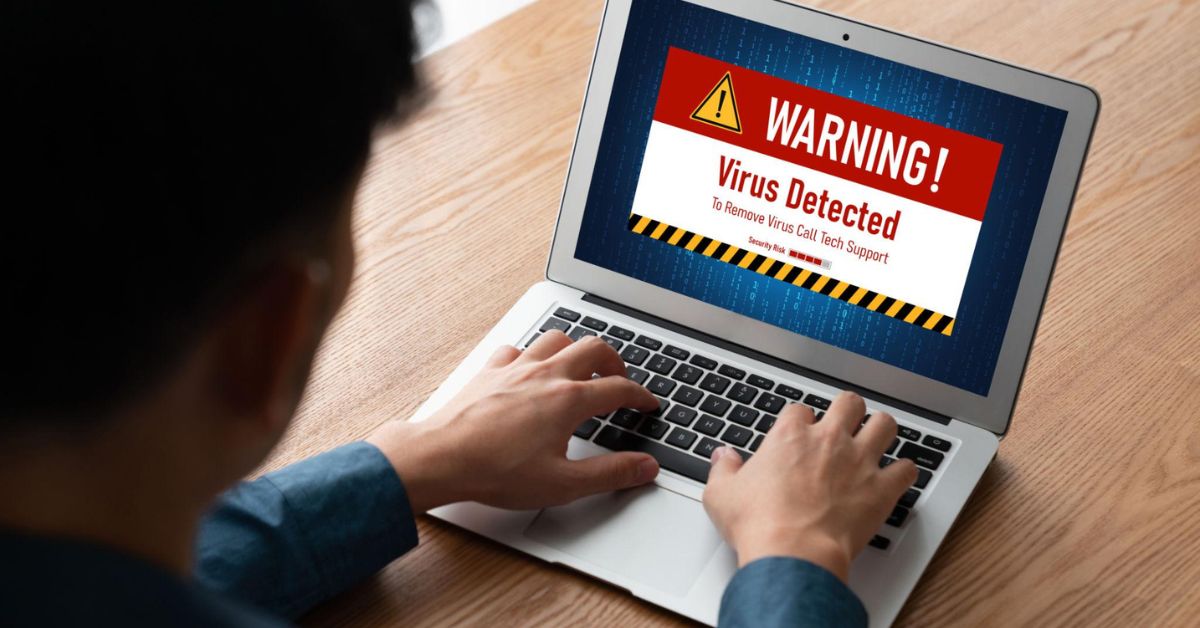
What Is Online Security and Why It Matters
Online security means protecting your data, devices, and identity when you use the internet. Today, people use the internet for almost everything. They shop online, use banking apps, and share personal information. This makes online security very important.
Hackers always look for weak systems. They try to steal passwords, bank details, and private data. Without strong online security, you can lose money or face identity theft. Many people ignore online security until they face a problem. That is risky.
Online security helps you stay safe while browsing websites, using apps, or sending emails. It also protects your personal and business information. When you use proper online security methods, you reduce the risk of cyber attacks.
In simple words, online security keeps your digital life safe. It protects your identity, your money, and your privacy. Everyone who uses the internet should understand online security basics.
Common Online Security Threats You Should Know
Online security threats are everywhere. Many people do not even realize when they face a threat. Knowing these threats helps you stay safe.
Phishing is one of the most common online security threats. Hackers send fake emails or messages. They try to trick you into sharing your passwords or bank details. These messages often look real.
Malware is another big problem. It is harmful software that can damage your device or steal data. You may install malware without knowing it. It often comes from unsafe downloads or websites.
Ransomware is also dangerous. It locks your files and asks for money to unlock them. This can cause huge loss, especially for businesses.
Public Wi-Fi networks can also harm your online security. Hackers can track your activity on these networks. They can steal sensitive data easily.
Here is a simple table to understand threats:
| Threat Type | What It Does | Risk Level |
| Phishing | Steals login details | High |
| Malware | Damages system or steals data | High |
| Ransomware | Locks files for money | Very High |
| Public Wi-Fi | Exposes personal data | Medium |
Understanding these threats improves your online security.
Best Practices for Strong Online Security
You can improve your online security by following simple habits. These steps are easy but very effective.
Use strong passwords for all accounts. A strong password includes letters, numbers, and symbols. Avoid using simple words like your name or birth date.
Always enable two-factor authentication. This adds an extra layer of online security. Even if someone knows your password, they cannot access your account easily.
Keep your software updated. Updates fix security problems. Old software makes your device weak.
Avoid clicking on unknown links. Many cyber attacks start with one click. Always check the source before opening any link.
Use antivirus software. It helps detect and remove threats. This improves your online security a lot.
Backup your data regularly. If you lose your data, you can recover it easily. This is very helpful against ransomware attacks.
Good habits create strong online security. You do not need advanced skills. Just stay careful and aware.
Online Security Tools You Should Use
There are many tools that help improve online security. These tools protect your data and make your internet use safer.
Antivirus software is the first tool you need. It scans your system and removes threats. Many antivirus tools also block harmful websites.
A VPN is also useful for online security. It hides your internet activity. It keeps your data safe, especially on public Wi-Fi.
Password managers help you store strong passwords. You do not need to remember all passwords. This improves both security and ease.
Firewalls protect your system from unauthorized access. They block suspicious activity. This adds another layer of online security.
Here is a table of tools:
| Tool Type | Purpose |
| Antivirus | Detects and removes malware |
| VPN | Protects internet privacy |
| Password Manager | Stores strong passwords safely |
| Firewall | Blocks unauthorized access |
Using these tools improves your online security greatly.
Online Security for Mobile and Smart Devices
Mobile phones and smart devices are also at risk. Many people ignore online security on these devices.
Always download apps from trusted stores. Fake apps can steal your data. Check reviews before installing any app.
Use screen locks and biometric security. This protects your phone if it gets lost or stolen.
Avoid connecting to unknown Wi-Fi networks. Mobile devices are easy targets for hackers.
Update your apps regularly. Updates fix security issues and improve performance.
Turn off Bluetooth and location when not needed. This reduces the risk of tracking.
Smart devices like smart TVs and home systems also need online security. Change default passwords and keep them updated.
Online security is not only for computers. It is important for all devices you use.
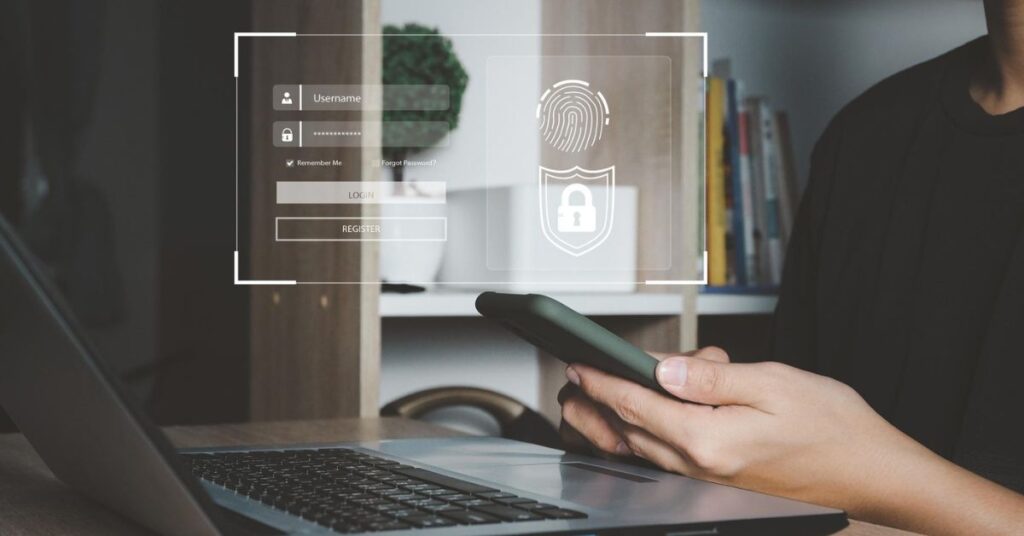
Importance of Online Security in Daily Life
Online security is part of daily life now. Every online action needs protection.
When you shop online, you share payment details. Without online security, hackers can steal your money. Always use secure websites.
Social media also needs protection. Hackers can misuse your personal information. Set your privacy settings properly.
Online banking requires strong online security. Always log out after use. Avoid using public devices.
Students and workers also need online security. They use online tools for learning and work. Data leaks can cause serious problems.
Businesses depend heavily on online security. A small breach can cause huge losses. It can also damage reputation.
Online security protects your digital identity. It keeps your personal and financial life safe. It is not optional anymore.
Future of Online Security and New Trends
Online security is changing fast. New threats appear every day. Technology is also improving to fight these threats.
Artificial intelligence is helping improve online security. It can detect threats quickly. It also helps in preventing attacks.
Biometric security is becoming popular. Fingerprints and face recognition add strong protection.
Cloud security is also growing. Many people store data online. Protecting cloud data is very important.
Zero trust security is a new trend. It checks every user and device before access. This improves online security systems.
Automation is also helping. Systems can respond to threats faster than humans.
Future online security will be smarter and stronger. But users still need to stay careful.
Conclusion
Online security is very important in today’s digital world. Every person who uses the internet must understand it. Cyber threats are increasing every day. Without proper online security, your data and money are at risk.
Simple steps can protect you from big problems. Use strong passwords, update your systems, and avoid unsafe links. Use tools like antivirus and VPN for better protection.
Online security is not difficult. It just needs awareness and good habits. When you stay alert, you stay safe.
Make online security part of your daily routine. It protects your identity, your data, and your future.
FAQs About Online Security
What is online security in simple words?
Online security means protecting your personal data and devices from hackers and cyber threats while using the internet.
Why is online security important?
Online security protects your money, identity, and personal information from theft and misuse.
How can I improve my online security?
Use strong passwords, enable two-factor authentication, avoid unknown links, and install antivirus software.
Is public Wi-Fi safe for online security?
Public Wi-Fi is not fully safe. Hackers can steal data. Use a VPN for better online security.
What tools help in online security?
Antivirus, VPN, password managers, and firewalls are important tools for strong online security.