

Introduction to Robotics
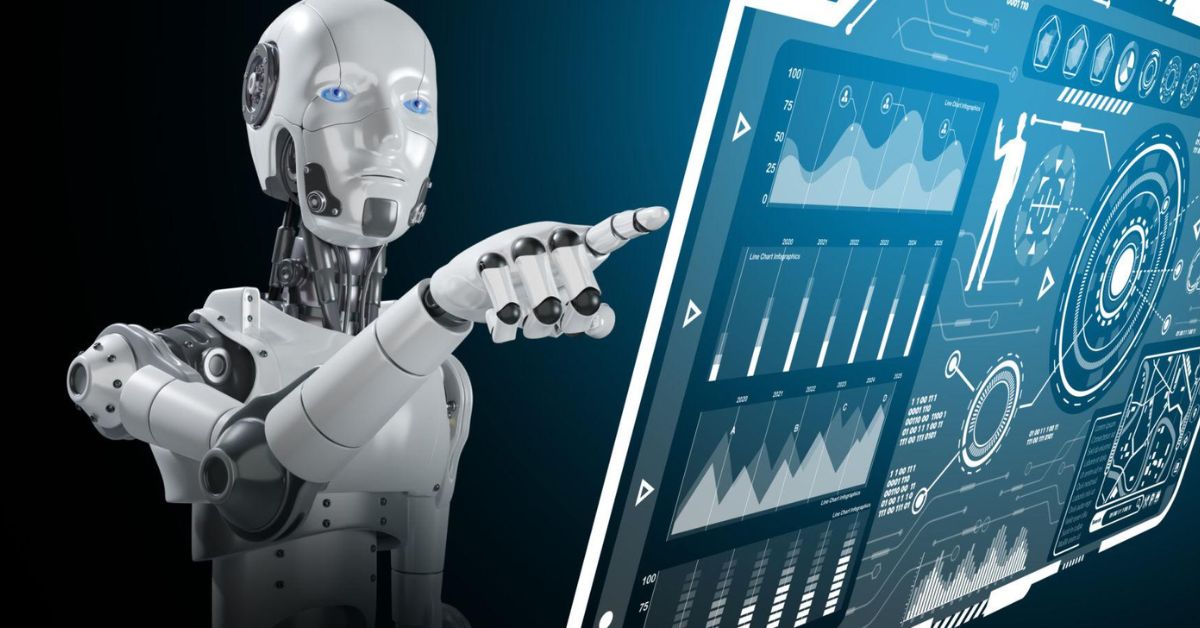
Robotics is one of the most exciting fields in modern technology. It combines science, engineering, and computer technology to create machines that can perform tasks automatically. These machines are called robots. Today, robotics plays an important role in many industries. From factories and hospitals to homes and schools, robots are helping people work faster and more efficiently.
The growth of robotics has changed the way businesses operate. Companies use robots to improve productivity, reduce errors, and handle repetitive tasks. At the same time, researchers continue to develop advanced robotic systems that can learn, adapt, and interact with humans.
The popularity of robotics continues to rise because technology is becoming more advanced and affordable. Artificial intelligence, sensors, and machine learning have made robots smarter than ever before. As a result, robotics is no longer limited to large industries. It is becoming part of everyday life.
This guide explains robotics, its history, types, applications, benefits, challenges, and future trends. By understanding robotics, you can see how this technology is changing the world around us.
What Is Robotics?
Robotics is a branch of technology that focuses on designing, building, operating, and programming robots. A robot is a machine that can perform tasks automatically or with limited human control. These machines use sensors, software, and mechanical components to complete specific actions.
The field of robotics combines several areas of knowledge. Engineers create the physical structure of robots. Programmers develop software that controls robot behavior. Scientists work on improving robot intelligence and decision-making abilities.
Modern robotics goes beyond simple machines. Today’s robots can recognize objects, navigate environments, and even communicate with people. Some robots work independently, while others assist humans in completing tasks.
The main goal of robotics is to increase efficiency and improve safety. Robots can work in dangerous environments where human workers may face risks. They can also perform repetitive jobs with high accuracy.
As technology advances, robotics continues to expand into new areas. Businesses, healthcare providers, educational institutions, and governments all invest in robotics to improve services and productivity.
History and Evolution of Robotics
The story of robotics began long before modern computers existed. Early inventors dreamed of creating machines that could imitate human actions. Ancient civilizations built simple mechanical devices that moved automatically.
The concept of robots became more popular during the Industrial Revolution. Machines started assisting workers in manufacturing and production. However, true robotics developed in the twentieth century when engineers combined electronics and automation.
The first industrial robots appeared in factories during the 1960s. These robots performed repetitive tasks such as welding and assembly. They increased production speed and reduced workplace accidents.
During the following decades, advancements in computer technology improved robotics significantly. Robots became more precise, reliable, and capable of handling complex tasks. Researchers introduced sensors, artificial intelligence, and machine vision systems.
Today, robotics includes autonomous vehicles, medical robots, service robots, and intelligent machines powered by artificial intelligence. The field continues to evolve rapidly as new technologies emerge.
The history of robotics shows how innovation can transform industries and improve human life. Each advancement has brought robots closer to becoming valuable partners in daily activities.
Main Components of Robotics
Understanding robotics requires knowledge of the key components that make robots function effectively. Every robot contains several essential parts that work together.
| Component | Purpose |
| Sensors | Collect information from surroundings |
| Controller | Processes data and makes decisions |
| Actuators | Create movement and actions |
| Power Source | Supplies energy to the robot |
| Software | Controls behavior and operations |
| Mechanical Structure | Provides physical support and movement |
Sensors act as the robot’s eyes and ears. They gather information about the environment. Controllers analyze this information and determine appropriate actions.
Actuators convert commands into movement. These components allow robots to walk, lift objects, or perform other tasks. The power source ensures continuous operation.
Software plays a critical role in robotics. It enables robots to follow instructions, process data, and interact with their surroundings. Together, these components create intelligent systems capable of performing various functions.
Types of Robotics
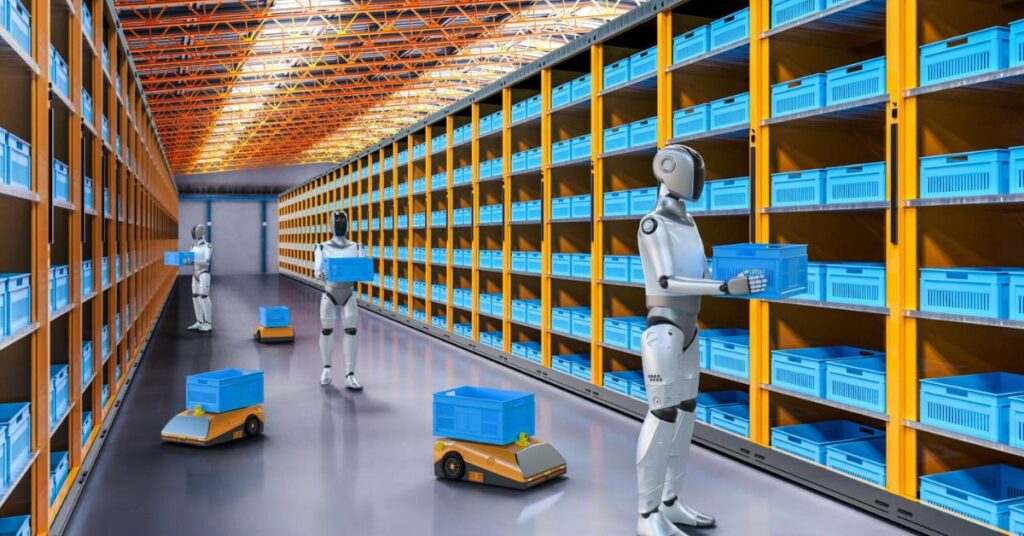
The field of robotics includes many different types of robots designed for specific purposes. Each category serves unique needs across industries and daily life.
Industrial robots are among the most common types. Manufacturers use them for assembly, welding, packaging, and quality inspection. These robots improve production efficiency and accuracy.
Service robots assist people in homes, hospitals, hotels, and offices. Examples include cleaning robots, delivery robots, and customer service robots.
Medical robots support healthcare professionals during surgeries and patient care. These systems provide precision and help improve treatment outcomes.
Autonomous robots operate independently without constant human supervision. Self-driving vehicles and exploration robots fall into this category.
Educational robots help students learn programming, engineering, and robotics concepts. Schools and universities use these tools to develop technical skills.
Military robots perform surveillance, reconnaissance, and other defense-related tasks. They help reduce risks for human personnel in dangerous situations.
The variety of robotics applications demonstrates how versatile and valuable robots have become in modern society.
Robotics in Manufacturing
Manufacturing remains one of the largest users of robotics technology. Factories rely on robots to improve productivity, quality, and safety.
Robots handle repetitive tasks with consistent accuracy. They can assemble products, weld components, paint surfaces, and package goods. Unlike humans, robots do not become tired during long production shifts.
Many companies invest in robotics because it helps reduce operational costs. Robots can work continuously and minimize production errors. This leads to higher efficiency and improved customer satisfaction.
Safety is another important benefit. Robots can operate in hazardous environments where exposure to chemicals, heat, or heavy machinery may be dangerous for workers.
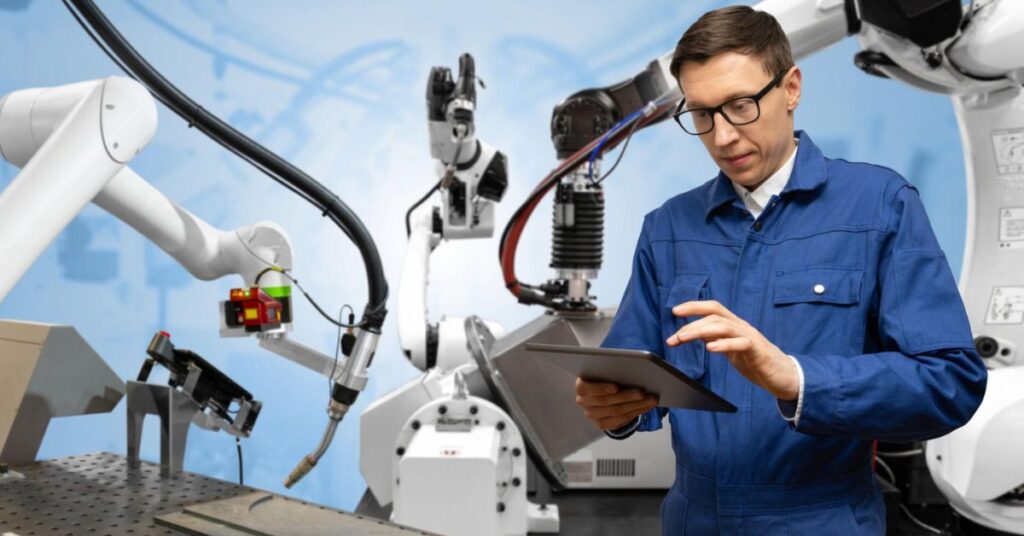
Modern manufacturing facilities often use collaborative robots, also known as cobots. These robots work alongside human employees rather than replacing them. Cobots assist with tasks that require strength, precision, or repetition.
The continued growth of robotics in manufacturing supports global production demands and encourages innovation across industries.
Robotics in Healthcare
Healthcare has experienced major improvements through the use of robotics. Hospitals and medical centers now use robots for surgery, rehabilitation, diagnostics, and patient support.
Surgical robots help doctors perform complex procedures with exceptional precision. These systems provide enhanced control and reduce the risk of complications. Patients often recover faster after robot-assisted surgeries.
Rehabilitation robots support patients during physical therapy. They assist movement and help individuals regain strength after injuries or illnesses.
Hospitals also use robots for delivering medications, transporting supplies, and disinfecting rooms. These tasks improve efficiency and allow healthcare workers to focus more on patient care.
Some advanced robotics systems use artificial intelligence to analyze medical data and assist with diagnosis. These technologies help doctors make informed decisions.
As healthcare continues to evolve, robotics will play an even greater role in improving patient outcomes and expanding access to medical services.
Robotics in Everyday Life
Many people interact with robotics technology without realizing it. Robots have become part of daily life in homes, workplaces, and public spaces.
Robot vacuum cleaners automatically clean floors and save time for homeowners. Smart lawn mowers maintain gardens with minimal supervision. Personal assistant devices use robotic technologies to respond to voice commands.
Restaurants and hotels increasingly use robots for customer service and delivery tasks. Some airports employ robots to guide travelers and provide information.
Educational institutions use robotics kits to teach students programming and engineering skills. Children gain hands-on experience while developing problem-solving abilities.
The presence of robotics in everyday life continues to grow. As technology becomes more affordable, consumers gain access to innovative products that improve convenience and efficiency.
Benefits of Robotics
The rise of robotics offers many advantages across industries and communities. One major benefit is increased productivity. Robots can work continuously without breaks, improving efficiency and output.
Accuracy is another important advantage. Robots perform tasks with precision and consistency, reducing mistakes and waste. This is especially valuable in manufacturing and healthcare.
Safety improvements make robotics attractive for organizations. Robots can handle dangerous jobs that expose workers to hazards. This reduces workplace injuries and improves working conditions.
Cost savings also contribute to the popularity of robotics. Although initial investments may be high, long-term operational costs often decrease through improved efficiency.
Robotics supports innovation by enabling new products, services, and business models. Companies can explore opportunities that were previously difficult or impossible to achieve.
These benefits explain why robotics continues to expand into various sectors around the world.
Challenges Facing Robotics
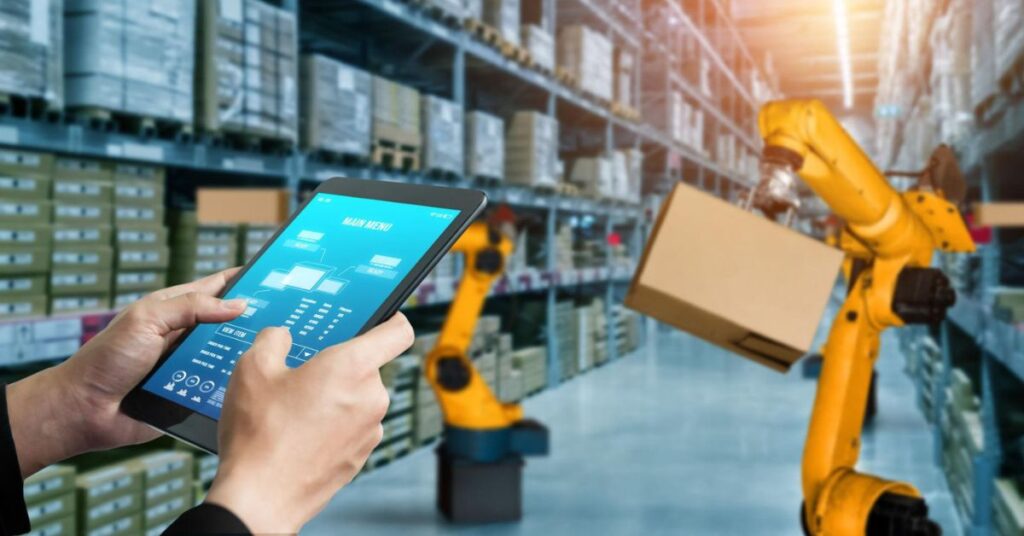
Despite its advantages, robotics also faces several challenges. One concern involves high development and implementation costs. Advanced robotic systems require significant investment.
Workforce changes create another challenge. Some workers worry that robotics may replace certain jobs. However, many experts believe robotics will create new opportunities that require technical skills and oversight.
Technical limitations still exist. Robots may struggle with unpredictable environments or tasks requiring human creativity and emotional understanding.
Security risks are also important. Connected robotic systems can become targets for cyberattacks. Developers must ensure strong cybersecurity measures to protect sensitive data and operations.
Ethical questions continue to emerge as robotics becomes more advanced. Society must consider issues related to privacy, accountability, and decision-making by intelligent machines.
Addressing these challenges will help ensure responsible growth and adoption of robotics technologies.
Future of Robotics
The future of robotics looks promising. Advances in artificial intelligence, machine learning, and sensor technology will make robots more intelligent and adaptable.
Future robots will likely work more closely with humans. Collaborative systems will assist professionals in healthcare, education, manufacturing, and many other fields.
Autonomous vehicles represent a major area of robotics development. These systems have the potential to improve transportation efficiency and safety.
Robotics may also play a critical role in space exploration. Intelligent machines can operate in environments that are difficult or dangerous for humans.
As computing power increases, robots will become more capable of understanding language, recognizing emotions, and making complex decisions. These advancements could transform industries and daily life in significant ways.
The future of robotics promises exciting opportunities for innovation, economic growth, and improved quality of life.
Conclusion
Robotics has become one of the most important technologies of the modern era. It combines engineering, software, and artificial intelligence to create machines that assist people in countless ways. From manufacturing and healthcare to education and home automation, robotics continues to improve efficiency, safety, and productivity.
As technology advances, robotics will become even more integrated into everyday life. New innovations will create opportunities for businesses, professionals, and consumers alike. While challenges remain, the benefits of robotics are clear.
Understanding robotics helps individuals and organizations prepare for a future where intelligent machines play an increasingly important role. The continued development of robotics will shape industries, economies, and societies for many years to come.
Frequently Asked Questions
What is robotics in simple words?
Robotics is a field of technology that focuses on creating and operating robots that can perform tasks automatically or with limited human control.
Why is robotics important?
Robotics improves productivity, increases accuracy, enhances safety, and helps people complete tasks more efficiently.
Where is robotics used today?
Robotics is used in manufacturing, healthcare, education, transportation, agriculture, homes, and many other industries.
Does robotics use artificial intelligence?
Many modern robotics systems use artificial intelligence to learn from data, make decisions, and adapt to changing environments.
What is the future of robotics?
The future of robotics includes smarter machines, autonomous vehicles, advanced healthcare solutions, and closer collaboration between humans and robots.